 WonksAnonymous

CapEx vs OpEx for Production Equipment: Capitalization Rules, Overhauls, and Spare Parts
Classify production-equipment spending: installation, training, CIP transfers, spare parts, controls overhauls, and maintenance CapEx under IFRS and U.S. GAAP.
CapEx buys or creates a lasting production asset; OpEx supports its ongoing operation. For equipment accounting, capitalize qualifying acquisition and installation costs, expense routine servicing, and assess replacements and spare parts individually. A single machine order can contain all of these categories.
The practical test starts with the invoice line: what asset or service did the plant receive, and when was the equipment ready for its intended use? This guide applies that test to production and packaging equipment, distinguishing shared principles from IFRS and U.S. GAAP differences. Use it alongside the Automation Investment reading guide when turning a project proposal into an accounting record.
Updated October 27, 2026.
CapEx vs OpEx: separate the asset, the operation, and the cash
The capitalized equipment balance and the project’s cash requirement usually have different boundaries. Training, spare stock, and installation can all require project funding while entering different accounts.
Scroll horizontally to see all columns.
| Question | Equipment CapEx | Operating spending |
|---|---|---|
| What is the spending for? | Acquiring, constructing, or qualifying subsequent work on a lasting production asset | Running and routinely servicing the operation |
| Where does it go first? | Property, plant and equipment (PP&E), including qualifying unfinished work | Expense, or another account such as supplies inventory or a prepayment until consumed or received |
| How does it affect profit? | Through depreciation over useful life; manufacturing depreciation may first enter inventory cost | Through service consumption, production costing, and expense recognition under the relevant policy |
| Typical equipment example | Initial machine installation or a qualifying significant component replacement | Routine lubrication, adjustment, or operator training |
PP&E means tangible assets used in production or other business activities across periods. Under IAS 16, recognition also requires probable future economic benefits and a cost that can be measured reliably. U.S. GAAP has its own recognition and accounting policies; KPMG’s IFRS compared to US GAAP 2025, chapter 3.2, compares the two frameworks. Apply the entity’s capitalization and materiality policy to each item rather than choosing a treatment from the size of the invoice.
For project funding, use the broader installed-cost analysis. For returns, use cash timing in the equipment ROI and discounted cash-flow model. Depreciation allocates an asset’s cost; it is not another payment to the equipment supplier.
Keep tax classification separate. U.S. federal tax regulations apply their own acquisition, improvement, repair, and materials-and-supplies rules. The IRS explains the betterment, restoration, and adaptation tests in its tangible property final regulations guidance. A tax safe-harbor election does not establish a universal financial-reporting capitalization threshold.
What is included in production-equipment CapEx?
Equipment cost includes the purchase and qualifying work needed to put the asset in the location and condition for intended operation. The boundary is directly attributable preparation, not every cost charged to the project number.
The following classifications apply that principle to common factory spending. IAS 16 paragraphs 16–20 set out the IFRS cost boundary; KPMG’s 2025 comparison, pages 127–128, explains the corresponding U.S. GAAP treatment.
Scroll horizontally to see all columns.
| Invoice or work-order item | Treatment to assess | Evidence that supports the decision |
|---|---|---|
| Machine purchase | Equipment cost, net of trade discounts; include applicable duties and nonrefundable purchase taxes | Equipment scope, purchase terms, and itemized invoice |
| Initial delivery and rigging | Capitalize when directly attributable to positioning the asset for intended use | Delivery, lifting, and placement scope tied to the machine |
| Machine-specific foundation and anchoring | Qualifying site preparation or installation; identify the relevant equipment or building asset | Foundation drawings and a split between dedicated work and wider building improvements |
| Assembly, controls integration, and functional testing | Qualifying preparation before readiness; separate other services | Engineering time records and commissioning tasks linked to making the asset operable |
| Operator training | Exclude from equipment cost; recognize the training service when received, with advance payments assessed as prepayments | Training agenda and separately allocated service cost |
| Ramp-up losses after readiness | Exclude from equipment cost | Readiness date and operating records distinguishing production losses from preparation work |
| Starter spares and consumables | Classify separately by purpose and expected use | Part numbers, intended use, expected service period, and stocking policy |
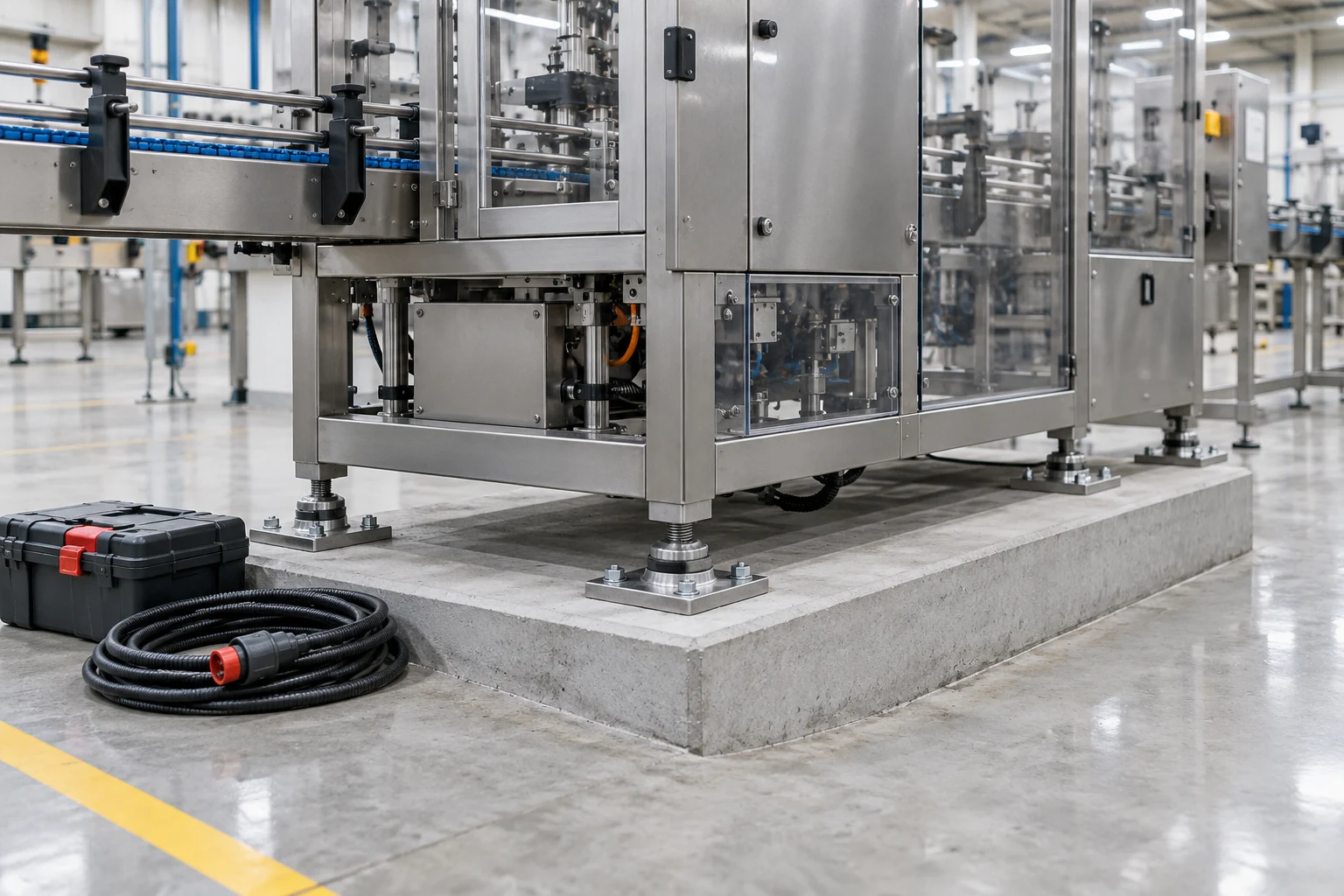
A bundled commissioning invoice needs an allocation. The technician’s time installing and testing the line can have a different treatment from time teaching operators to use it. Obtain the task breakdown while the work is underway, when time records and supplier explanations are easiest to recover.
The same separation applies to trial materials. Identify the purpose of the test, whether the machine was already ready for use, and what happened to any output. Under IFRS, IAS 16 paragraph 20A requires proceeds and costs of items produced while preparing equipment for intended use to be recognized in profit or loss under the applicable standards, rather than netting sales proceeds against equipment cost. Abnormal waste also stays outside the cost of a self-constructed asset under paragraph 22.
Qualifying borrowing costs and certain dismantling or restoration obligations can also affect asset cost under their applicable rules. They require their own assessment alongside the installation costs above.
Industrial CapEx vs CIP: when does equipment become an in-service asset?
CIP—construction in progress—is the account used to accumulate qualifying unfinished capital work. It describes the asset’s stage of completion, while CapEx describes the expenditure. CIP does not make a noncapital item eligible for capitalization.
The practical equipment workflow follows the readiness rule in IAS 16 paragraphs 20 and 55 and KPMG’s 2025 comparison, page 131:
Scroll horizontally to see all columns.
| Project stage | Accounting focus | Record to retain |
|---|---|---|
| Installation still underway | Accumulate qualifying costs in CIP; classify training and other nonqualifying items separately | Invoice allocations, engineering records, and unfinished scope |
| Equipment is capable of intended operation | Transfer qualifying completed work to the appropriate in-service asset account and begin depreciation | Dated readiness assessment, asset identification, useful life, and depreciation method |
| Production is building toward target volume | Record operating costs under their applicable policies; assess genuinely new capital work separately | Production records and a clear split between ramp-up and later asset additions |
Readiness does not depend on full utilization, final payment, or the first profitable month. A machine can be capable of its intended operation while demand leaves it partly idle. Conversely, physical delivery alone says little about whether installation and essential commissioning are complete.
An acceptance certificate helps document the decision, but finance and engineering should identify what the certificate establishes. A commercial payment milestone and an accounting readiness date can differ. If essential work still prevents intended operation, record that unfinished scope; if only administrative closeout remains, assess the asset’s actual readiness.
Once depreciation begins, its destination also matters. IAS 2 paragraphs 12–13 include production-equipment depreciation within manufacturing overhead allocated to inventory using normal-capacity principles. Inventory cost reaches expense as the goods are sold; unallocated overhead arising from low production is expensed in the period. This connects equipment accounting to fixed cost and operating leverage.
Are spare parts and the starter kit CapEx or OpEx?
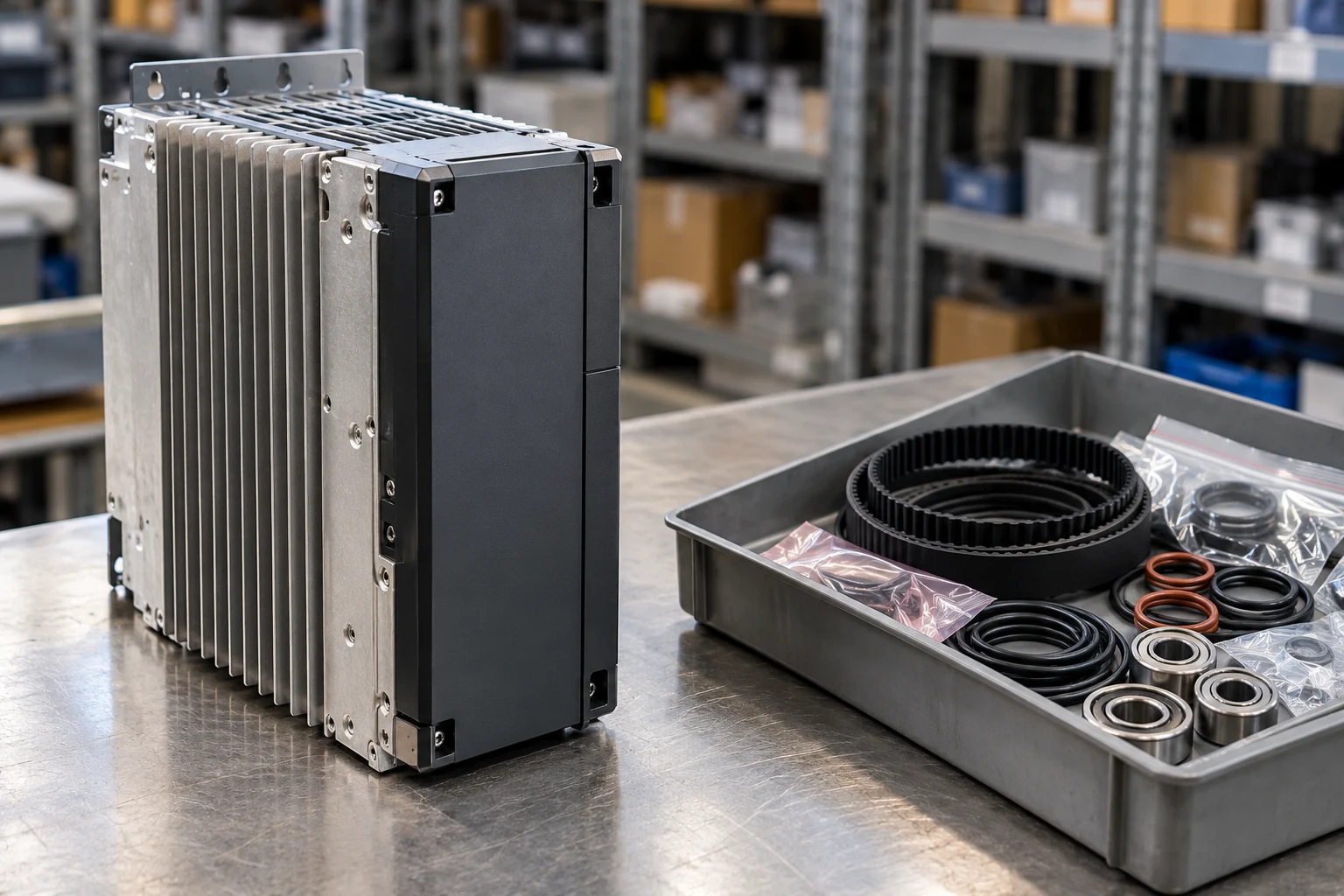
Classify each spare by its function and expected use, even when the supplier ships everything with the machine. A substantial standby unit and a box of ordinary wear parts can have different accounting treatments.
For IFRS reporting, IAS 16 paragraph 8 places spare parts, standby equipment, and servicing equipment in PP&E when they meet its definition; otherwise they are inventory. U.S. entries should follow the entity’s applicable spare-parts policy. The IFRS rule provides a clearly defined framework-specific test.
Scroll horizontally to see all columns.
| Item and intended use | Classification question | Useful supporting record |
|---|---|---|
| Spare control drive held for standby service across periods | Does it qualify as PP&E under the reporting framework and policy? | Compatible asset, expected use, readiness, and useful-life basis |
| Belts, seals, and lubricant held for routine consumption | Should they remain supplies inventory until used? | Stores record, consumption history, and inventory policy |
| Replacement part installed during a significant rebuild | Is it a qualifying asset component or part of routine servicing? | Work-order scope, component identification, and expected service potential |
| Mixed initial spares package | How should the purchase cost be allocated among the items? | Itemized parts list and a supported cost allocation |
Keeping supplies out of equipment PP&E does not necessarily mean expensing them on delivery. Under IAS 2, unused production supplies may remain inventory. Consumption and production costing determine when the cost enters expense, including through cost of sales. A service contract paid in advance likewise needs a timing assessment rather than automatic inclusion in the machine balance.
Controls overhauls, routine maintenance, and maintenance CapEx
A replacement that preserves existing productive capability can qualify as CapEx. “Maintenance CapEx” describes the purpose of investment; routine maintenance expense describes a different kind of spending. Growth is not the only reason to recognize a capital asset.
For industrial CapEx vs maintenance CapEx, think of maintenance CapEx as investment to sustain existing capability and growth CapEx as investment to expand it. Both labels still require the same underlying accounting analysis. Neither the maintenance department’s ownership of a project nor the word “overhaul” on a purchase order settles the treatment.
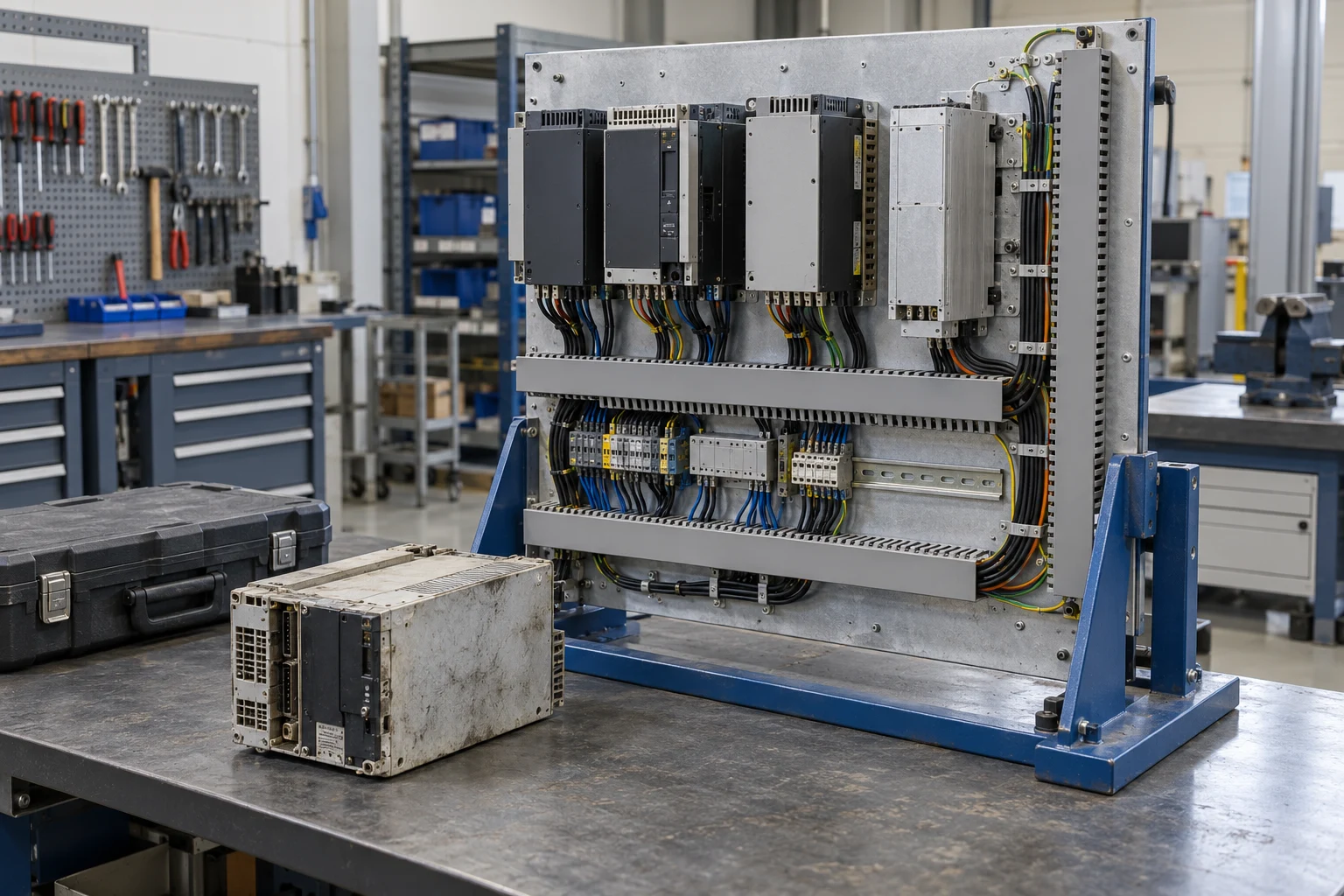
A controls project should be broken into its physical replacement, integration, servicing, and training work. Record which component is being replaced and how the work supports future service potential. An upgrade that increases capacity or extends useful life provides relevant evidence; a qualifying replacement can also sustain the existing function.
Where IFRS and U.S. GAAP differ
Routine servicing is excluded from equipment cost under both frameworks; planned major maintenance needs a framework-specific policy. KPMG’s IFRS compared to US GAAP 2025, pages 131–132, identifies the following distinctions.
Scroll horizontally to see all columns.
| Work or policy | IFRS | U.S. GAAP comparison |
|---|---|---|
| Routine cleaning, adjustment, and servicing | Expense as incurred rather than add to equipment cost | Same distinction from equipment capitalization |
| Qualifying significant replacement | Recognize the new component and remove the replaced component’s remaining carrying amount | Qualifying subsequent expenditure may be capitalized; component accounting is permitted but not required |
| Qualifying major inspection or overhaul benefiting multiple periods | Account for the inspection or overhaul as a component; remove the remaining amount of the previous inspection where applicable | KPMG describes direct expense, built-in overhaul, and deferral methods applied using industry guidance by analogy |
| Depreciating components | Depreciate significant components separately as required by IAS 16 | Component accounting is optional, so replacement accounting can differ |
Under the U.S. approaches described by KPMG, the direct expense method recognizes planned maintenance cost when incurred. The built-in overhaul method assigns a component to the overhaul. The deferral method capitalizes the maintenance event and amortizes it to the next planned event. Apply the policy appropriate to the entity and industry consistently; a large shutdown bill alone does not select the method.
For the work order, separate ordinary servicing from replacement and inspection tasks, retain the engineering rationale, and identify any old carrying amount that the applicable policy requires removing. Evaluate separately licensed software under the relevant software rules when it is part of a controls project.
Equipment expenditure classification checklist
Finish with a documented account decision for each item, plus a readiness date for each asset entering service. Use this checklist with purchasing, engineering, stores, and finance before closing the project.
- Identify the reporting basis and policy. Record IFRS or U.S. GAAP, the capitalization/materiality policy, and the applicable spare-parts and major-maintenance policies.
- Split mixed invoices. Allocate equipment, installation, training, consumables, spare parts, and service cover using the supplier’s scope and supporting records.
- Name the asset or component. Link each proposed capital addition to the equipment, foundation, building improvement, or replacement component it serves.
- Explain the benefit and cost basis. Retain the work order, engineering scope, invoice, and relevant labor records supporting recognition and measurement.
- Establish readiness. Record when the equipment became capable of intended operation and what essential work was complete at that point.
- Set the depreciation basis. Document useful life, residual value, method, and any separately depreciated components under the applicable policy.
- Resolve the remaining items. Assign supplies inventory, prepayments, and expenses their appropriate consumption or service dates. Address replaced components under the selected policy.
- Reconcile the project and accounting records. Explain the difference between total project spending and capital additions, and obtain the controller’s approval of the classification.
The resulting record should let another person follow an invoice line to its account and supporting evidence. For the broader funding decision, continue with total installed cost; for testing the project’s return, move to the Automation Investment reading path.
Accounting references
- External Reporting Board, NZ IAS 16, Property, Plant and Equipment, incorporating amendments to January 31, 2022, applicable from 2023: paragraphs 6–20A and 22 for recognition and cost; 43–55 for components and depreciation; 67–70 for derecognition. The IFRS discussion above uses the common IAS 16 provisions.
- External Reporting Board, NZ IAS 2, Inventories, February 2018 compilation: paragraphs 6 and 10–16 for supplies and production costs; 34–35 for expense recognition.
- KPMG, IFRS compared to US GAAP 2025, chapter 3.2, pages 125–132: professional comparison of equipment cost, readiness, component accounting, and planned major maintenance.
- Internal Revenue Service, Tangible property final regulations: U.S. federal tax treatment of acquisitions, improvements, repairs, and materials and supplies.