 WonksAnonymous
Map the Peak Cash Gap on a Manufacturing Order
Separate net working capital and an operating working-capital figure from the monthly cash gap of one manufacturing order. Plant amounts stay blank.
Economics of Work, Production & Automation
Everything between a supplier's price and a running line: freight, duties, installation, spares, fair quote comparisons, and when a contract packer beats owning the line.
Reading guide
Between a price list and a working line sit a lot of costs and contract terms. The three analyses here cover buying equipment across a border, comparing offers that don’t describe the same thing, and deciding whether to own a line at all.
They’re written for purchasing and sourcing decisions. What will an overseas machine cost once it is running? Which of three quotes is actually the cheapest? And should the plant pay an outside packer per pack instead of buying equipment?
Compare landed-and-running cost, not factory price. A factory price covers the machine at the supplier’s door. Freight, insurance, customs, installation, spare parts and service still have to be paid by someone, and the contract decides who.
Quotes work the same way. Two prices are comparable only when they cover the same scope, the same acceptance terms and the same costs after delivery. A missing line in one quote is a cost you will pay yourself, so put it in the comparison at your own estimate.
The third question, make or buy, follows the same logic. An outside packer charges a fee per pack, an owned line charges fixed cost plus a lower cost per pack, and the cheaper route changes with volume and with how certain that volume is.
In practice: list every cost from the supplier’s dock to normal production, mark who pays each one, and compare totals on the same basis, whether the offer is a machine or a service fee.
Begin with Imported Equipment Costs Beyond the Factory Price. It supplies the cost list and the shipping-term vocabulary that the other two articles assume. Its worked example adds up to $119,500 on an $80,000 machine, which shows how much a factory price leaves out.
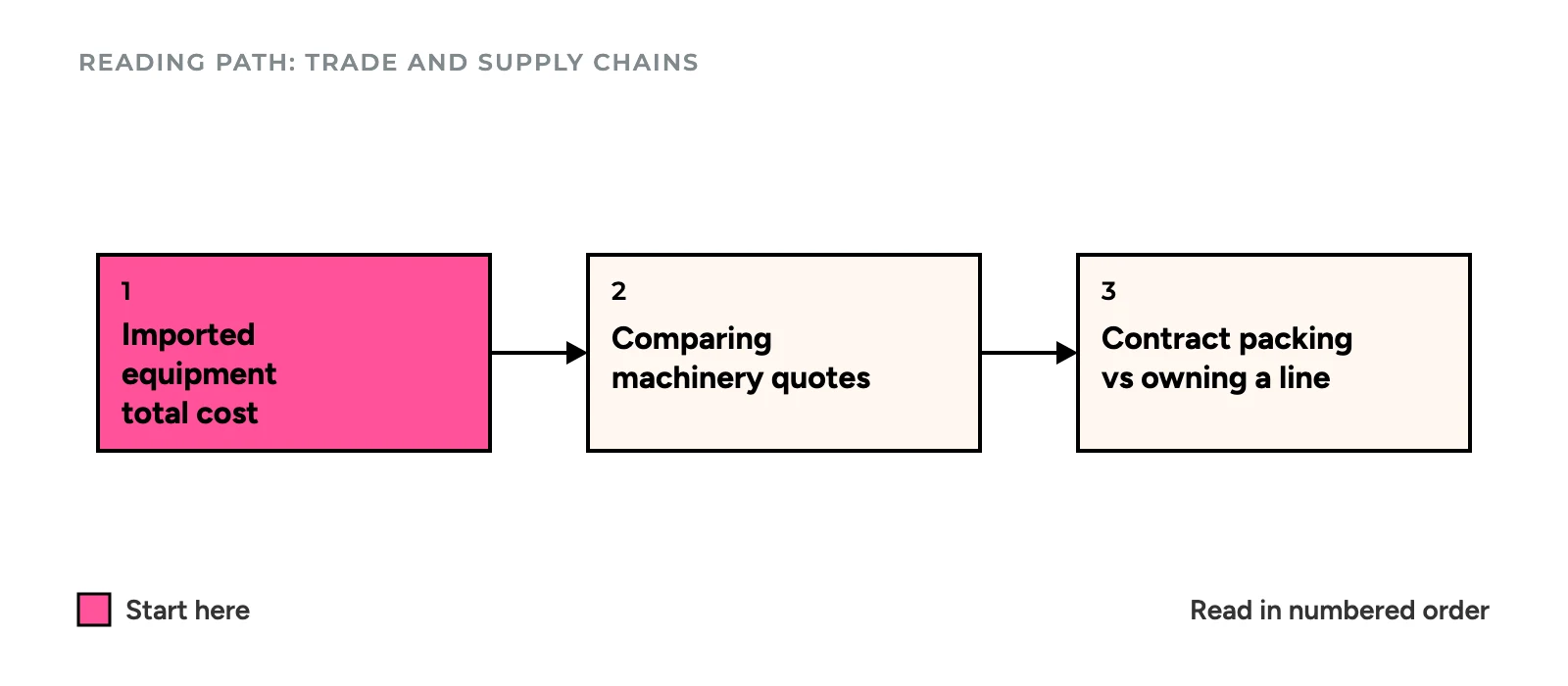
The path runs from one offer, to several offers, to the choice of whether to buy at all.
Start with Imported Equipment Costs Beyond the Factory Price if you want to compare an overseas quote with a local one on the same footing. It explains what Incoterms decide and what they leave alone, then shows the same total under three sets of terms. It also gives you a full cost list, a note on tariff classification and a view of supply continuity, which is worth having before you look at any other offer.
Then read Comparing Packaging Machinery Quotes on a Like-for-Like Basis to find out whether the lowest number is the lowest cost. In its example the cheapest headline price ($72,000) becomes the second-cheapest once missing items are added, and an $8,000 gap turns into a $2,600 gap in the other direction. It gives you a requirement sheet to send to every supplier, a scope table for lining the answers up, and a list of post-delivery costs that often go missing.
Last, Contract Packing Versus Owning a Packaging Line takes on whether to pay an outside packer per pack or run your own line. In the example the crossover sits near 284,000 packs a year. It includes a break-even formula, a list of factors no formula captures, and questions to ask a contract packer before you rely on its fee.
Read in this order, the three build one habit. You list every cost behind a single offer, then apply the same list to several offers so differences in scope show up as dollars. Finally you use it on a decision with no machine quote at all, where the alternative is a service fee. If you already hold two or three quotes, go straight to the second article and return to the first for its cost list.
Every comparison here depends on what an hour of running costs. Cost per Good Pack provides the per-pack basis, and Measuring the Cost of Unplanned Production Downtime explains why long lead times for imported spare parts matter so much.
Cash timing on a production order is a separate question from the machine’s price. Map the peak cash gap on a manufacturing order keeps a balance-sheet working-capital total apart from a month-by-month cash sheet, and it leaves the order’s own amounts blank.
The purchase side leads straight into investment analysis. The True Installed Cost of Packaging Automation takes the landed figure and shows how it changes payback, and Automation Payback, ROI and TCO explains which metric to use on the result. The Automation Investment and Production Economics guides cover the wider paths.
The prices, freight costs and duty amounts in this topic are round example numbers chosen to show the method, not quotes or benchmarks. Duties, tax treatment and shipping terms vary by country and by contract, so check them with a qualified adviser before you commit.
Separate net working capital and an operating working-capital figure from the monthly cash gap of one manufacturing order. Plant amounts stay blank.
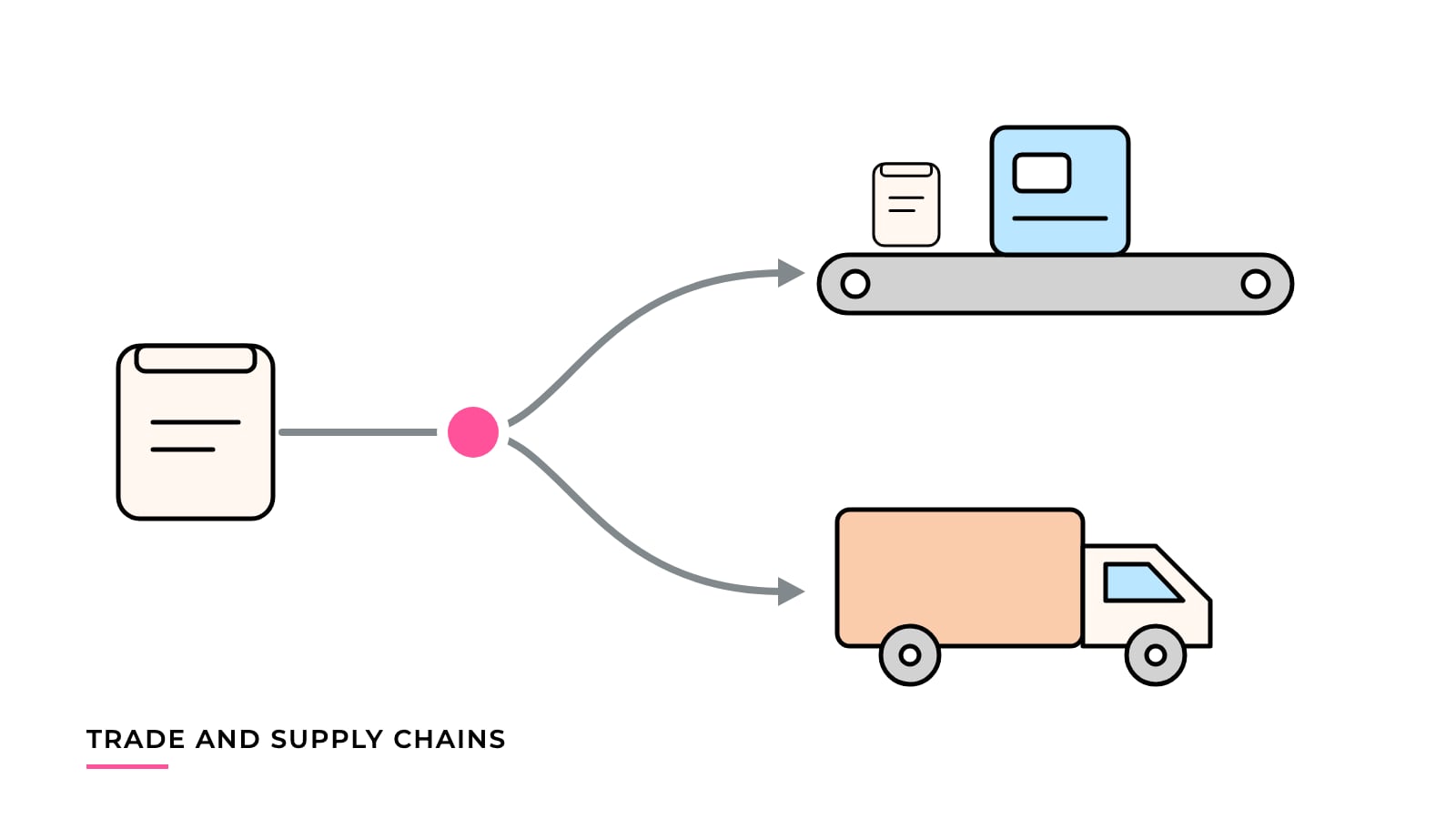
When a contract packer costs less than your own line, when it does not, and the non-price factors that decide the close cases, with a worked break-even.
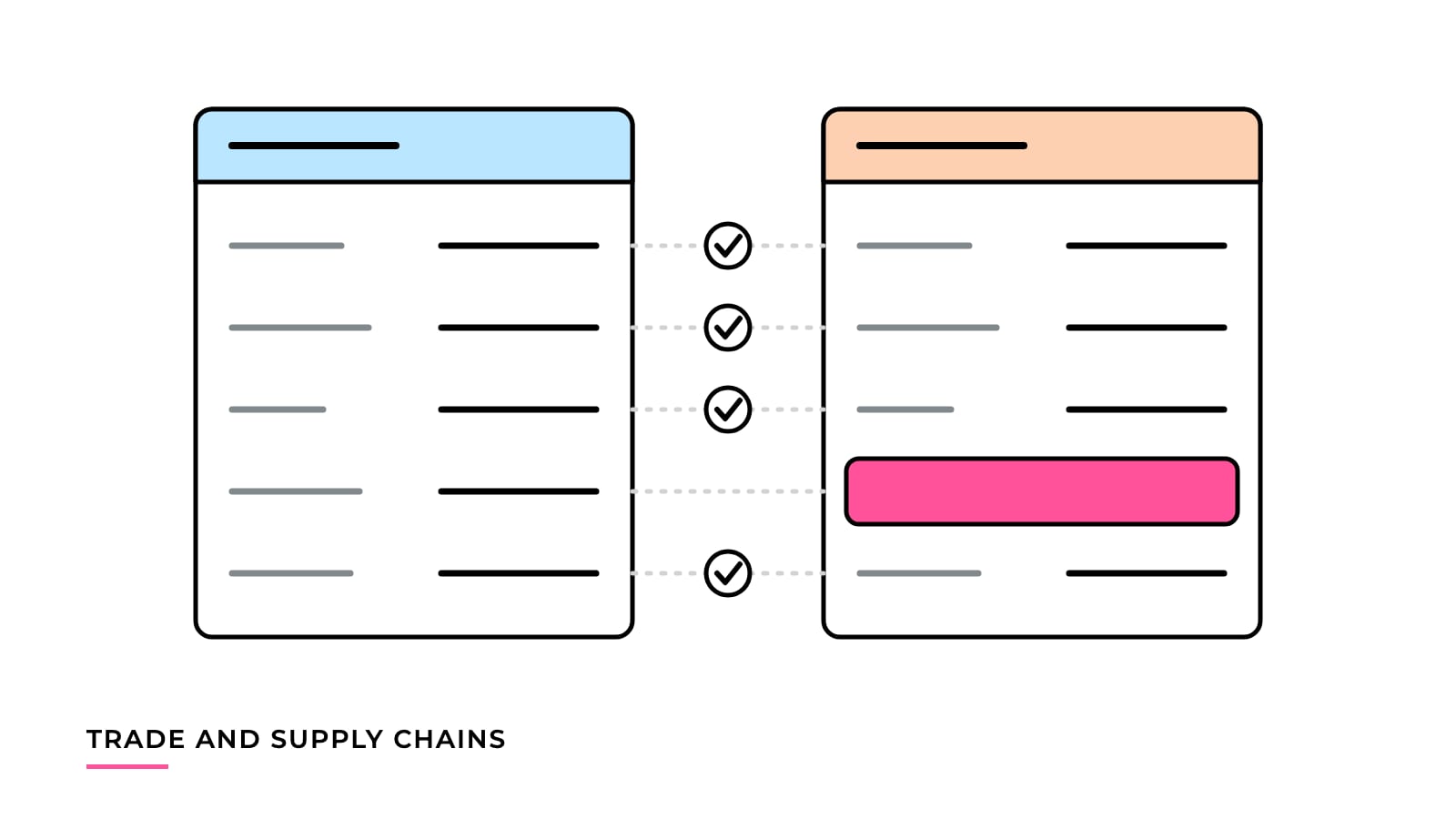
A method and comparison table that put packaging machinery quotes on the same scope, so the lowest headline price is not mistaken for the lowest cost.
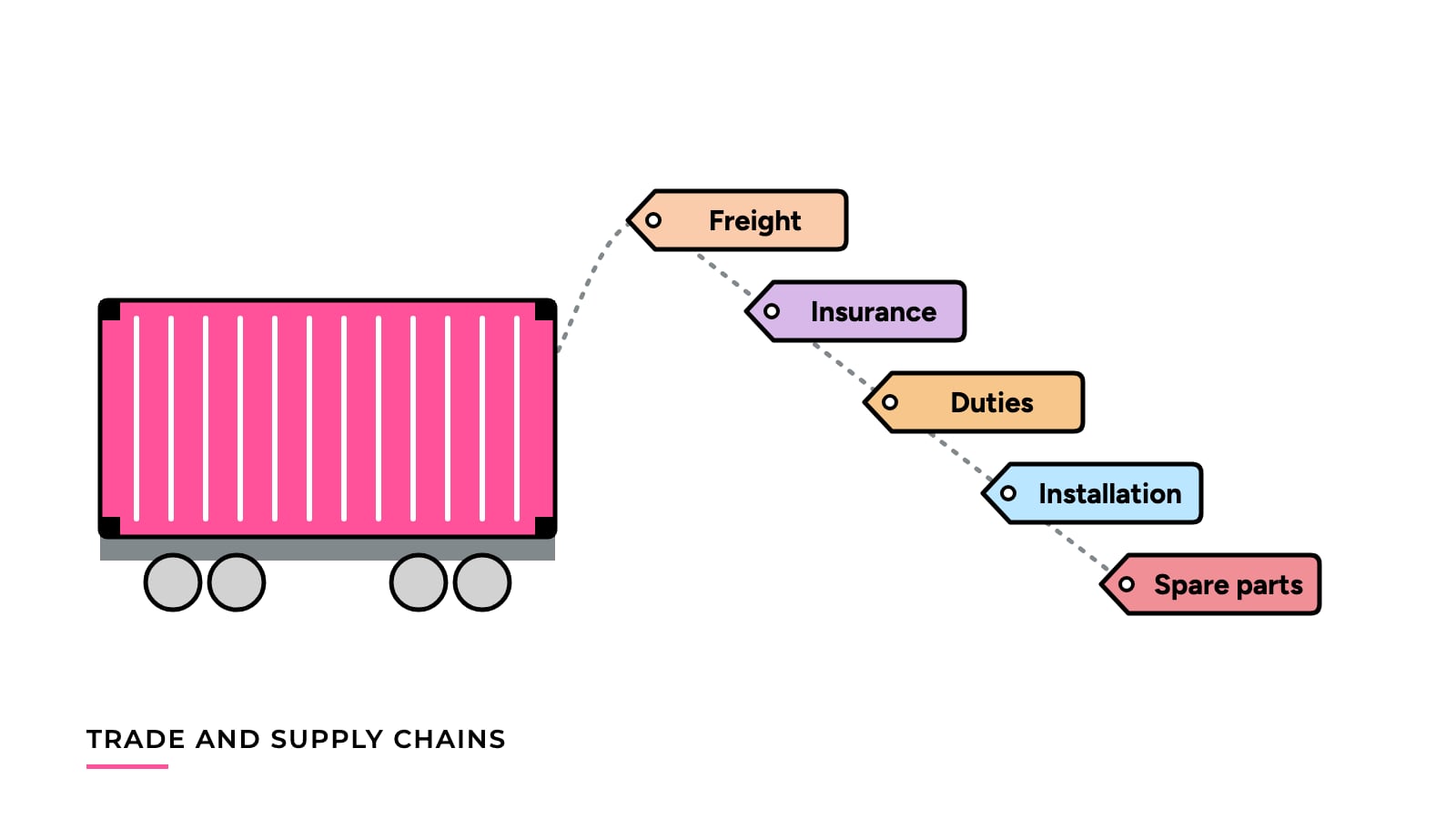
A landed-and-running cost checklist for imported packaging machinery, showing which costs depend on the Incoterms rule and which never do.